Headaches and Migraines: How Thai Massage Can Help
If headaches are a regular part of your week, you already know how much they take from you.

Not just the pain itself, but the hours lost, the concentration gone, the need to retreat from light and sound. For those living with migraines, the impact is even greater. Thai massage therapy offers a clinically supported, drug-free route to reducing how often headaches and migraines occur — and how severe they are. It’s something we address directly at Serendipity Massage Therapy & Wellness in Glasgow city centre.
What Are Headaches and Migraines
A headache covers several distinct conditions. Tension-type headaches produce a band-like pressure across both sides of the head, while migraines are a separate neurological disorder. Migraines cause moderate-to-severe head pain, usually on one side, and often come with nausea, sensitivity to light and sound, and sometimes visual changes known as aura.


Tension headaches are often driven by tight muscles in the neck, shoulders, and upper back. Desk work and long periods of sitting still are common causes. Migraines involve changes to nerve signals, chemicals, and blood vessels in the brain.
According to the NHS, stress, poor sleep, and hormonal changes are among the most common triggers. Both conditions are more common than many people realise — and both respond well to hands-on treatment.
How Thai Massage Helps Headaches and Migraines
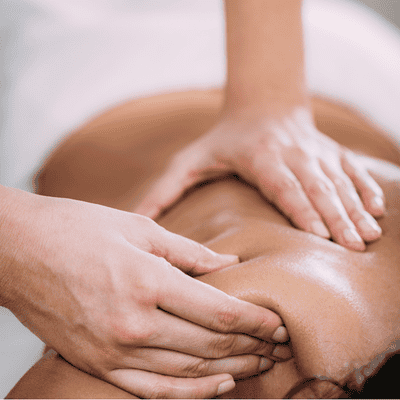
The link between muscle tension and head pain is well established. Research in the American Journal of Public Health on massage and chronic tension headaches found that targeted massage can reduce how often headaches occur without medication. The reason is straightforward: releasing tight muscles at the base of the skull, in the neck, and across the shoulders reduces the referred pain patterns that drive tension headaches.
For migraine sufferers, the benefits extend to stress and sleep. A randomised trial published via PubMed on massage therapy as a migraine treatment found improvements in both sleep quality and migraine frequency. Thai massage uses acupressure along sen energy lines and assisted stretching to target both muscle tension and the wider stress load that triggers episodes.
Swedish and aromatherapy massage offer further support, working through the nervous system to lower cortisol and ease vascular tension. Both are well suited to clients whose headaches track closely with stress or disrupted sleep.
Hot stone massage is also worth considering for chronic headache sufferers. The warmth from basalt stones helps release tight muscles in the upper back and shoulders — addressing the postural tension that builds through the working week and feeds into recurring headaches. You can book your session online and let us know your specific symptoms in advance.
What to Expect at Serendipity Massage Therapy & Wellness
At Serendipity, on Hope Street in Glasgow’s financial district, sessions for headaches and migraines begin with a short consultation. Your therapist will ask about the nature of your headaches, where you feel tension most, and any known triggers. Treatment then focuses on the neck, shoulders, and upper back, with specific attention to the base of the skull — where tension headaches most often begin.

Depending on your symptoms, your therapist may use Thai massage for its stretching and acupressure work, or a Swedish approach for deeper relaxation. Aromatherapy massage with selected essential oils can further support the nervous system and help reduce how often migraines occur.
Book a session at Serendipity and let the consultation guide the approach.
Who Benefits Most
The clients who see the best results tend to share clear patterns. Office workers near Hope Street and Blythswood Square spending long days at screens. People under significant ongoing stress, or with a history of neck and shoulder tension. Those whose migraines track closely with poor sleep or high-pressure periods at work.
New parents and people in physical jobs — where the upper body carries chronic load — also find regular sessions make a real difference. If you’ve been managing headaches reactively rather than preventing them, getting started with a regular appointment is where that pattern begins to change.