Stress and Tension: How Thai Massage Can Help You Feel Like Yourself Again
If your shoulders feel locked, your jaw is tight, and you can’t remember the last time you felt properly rested, you’re experiencing the physical reality of chronic stress and tension.

This isn’t just a bad week catching up with you. Prolonged stress has real, measurable effects on your muscles, your sleep, your mood, and your health. Thai massage — and therapeutic massage more broadly — is one of the most well-evidenced ways to break that cycle and give your body a genuine reset.
What Is Stress and Tension?
Stress is your body’s response to pressure or threat. NHS guidance on stress explains how the body releases hormones like adrenaline and cortisol. These raise your heart rate, tighten your muscles, and sharpen your senses. In the short term, that’s useful. In modern life, it rarely switches off.

When stress becomes chronic, those hormones stay elevated. Muscles remain contracted, posture collapses inward, and the nervous system stays on low-level alert. The result is tension that builds steadily in the neck, shoulders, and upper back.
Mental fatigue, broken sleep, and a persistent inability to unwind follow. These symptoms affect people in every walk of life. They are as real as any injury.
How Massage Helps Relieve Stress and Tension
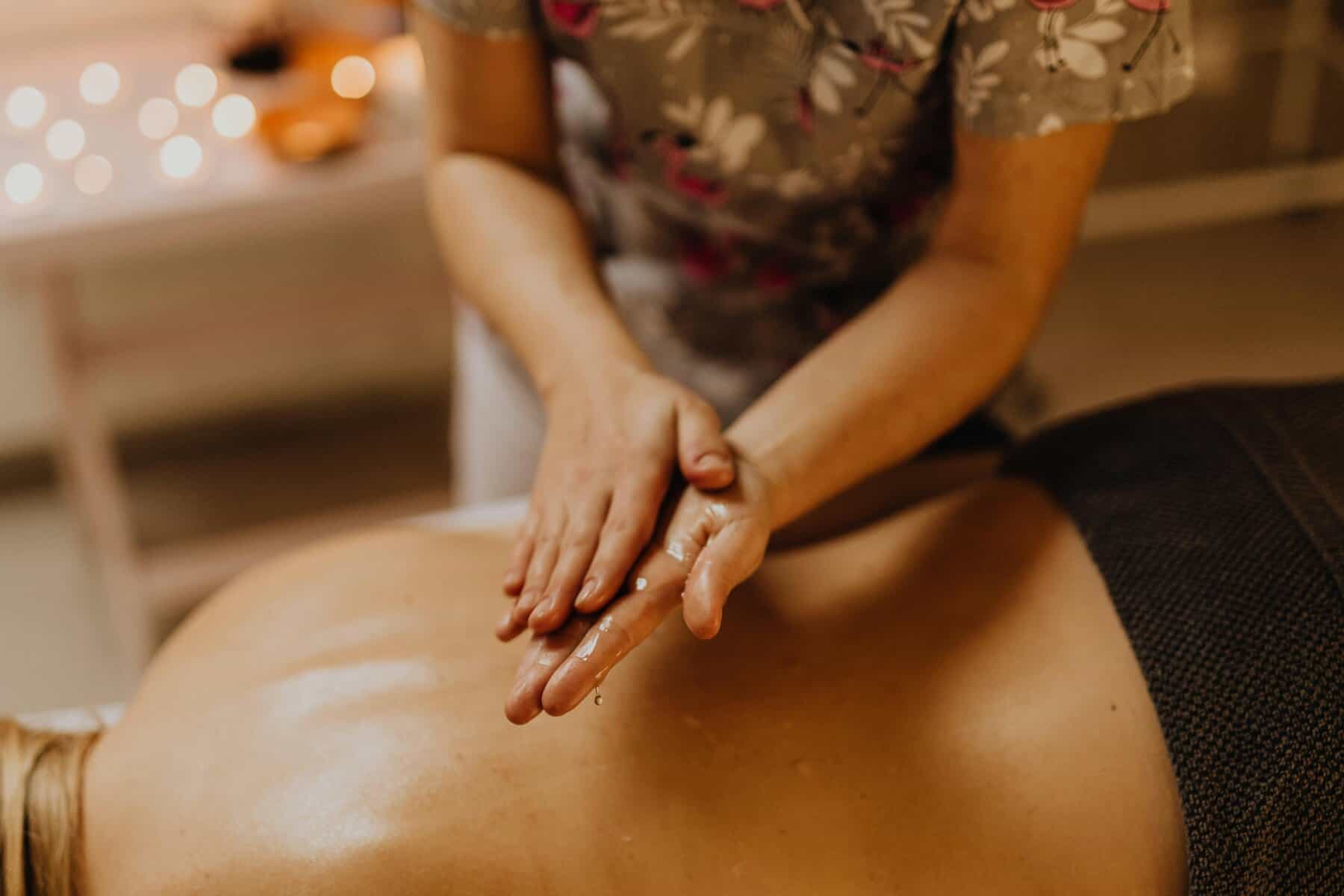
Therapeutic massage works on stress through several overlapping mechanisms. A widely cited review in the International Journal of Neuroscience found that single massage sessions consistently reduced cortisol levels and heart rate. These are direct, measurable signs that the body’s stress response is coming down.
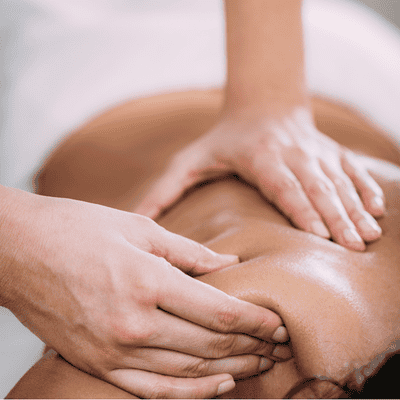
Beyond that hormonal effect, massage activates the parasympathetic nervous system — the body’s natural counterweight to fight-or-flight. Sustained pressure on overworked muscles encourages them to let go. Circulation improves and breathing deepens.
The result is not simply relaxation. It is a real shift in how your body is functioning — one that can last for hours after your session ends.
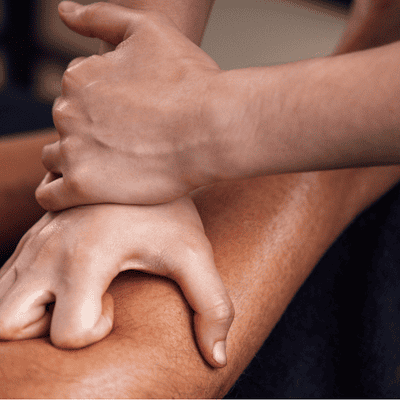
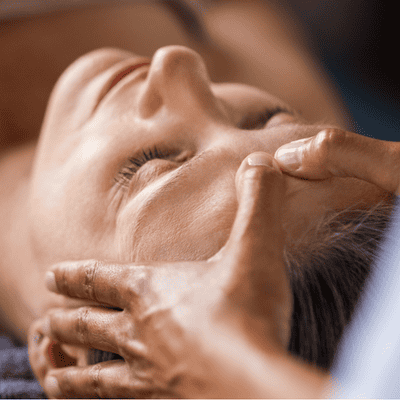
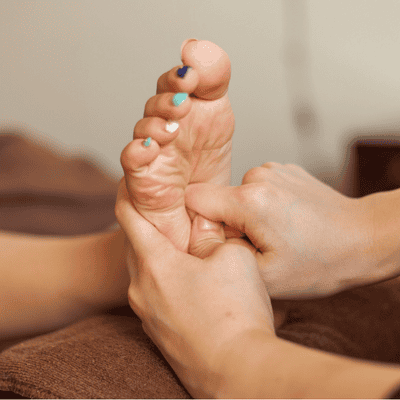
Different treatments target different aspects of stress. Swedish massage uses long, flowing strokes to calm the nervous system and ease general tension. Thai massage combines assisted stretching with acupressure to release postural strain that has built up over months.
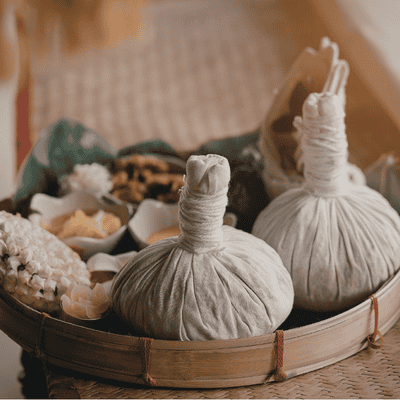
Thai aromatherapy massage adds therapeutic-grade essential oils, shown to reduce anxiety and support deeper sleep. Sports massage targets the muscular patterns that desk work and chronic tension create.
If you’re ready to do something about it, book your session online today and let us know where you’re holding tension.
What to Expect at Serendipity Massage Therapy & Wellness
At Serendipity on Hope Street in Glasgow City Centre, every session starts with a short conversation. Your therapist will ask where you’re holding tension, how your sleep has been, and what you need from the session. There’s no script and no rush.
The techniques used across the team were developed by head therapist Jariya Malone. They draw from traditional Thai methods and are adapted for consistent, targeted results.

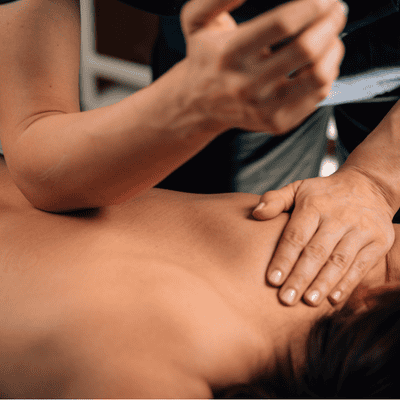
If stress and tension are your main concern, your therapist will likely focus on the upper back, neck, and shoulders. That’s where most people carry the physical weight of a pressured week. You can book your session online and note any areas of concern before you arrive.
A single session makes a noticeable difference. Regular sessions make a lasting one.
Who Benefits Most
Anyone carrying the physical load of a demanding life will benefit. But some groups find massage for stress and tension relief especially valuable.
Office workers around Glasgow’s financial district often feel tension creep into their neck and upper back by midweek. That pattern is common among professionals with high workloads and little physical outlet. Parents managing young children with no time to recover, and people whose sleep has been broken so long that tiredness itself has become a source of stress, are just as likely to be affected.
If any of that sounds familiar, get in touch to book your appointment — it’s the most practical step you can take.